"
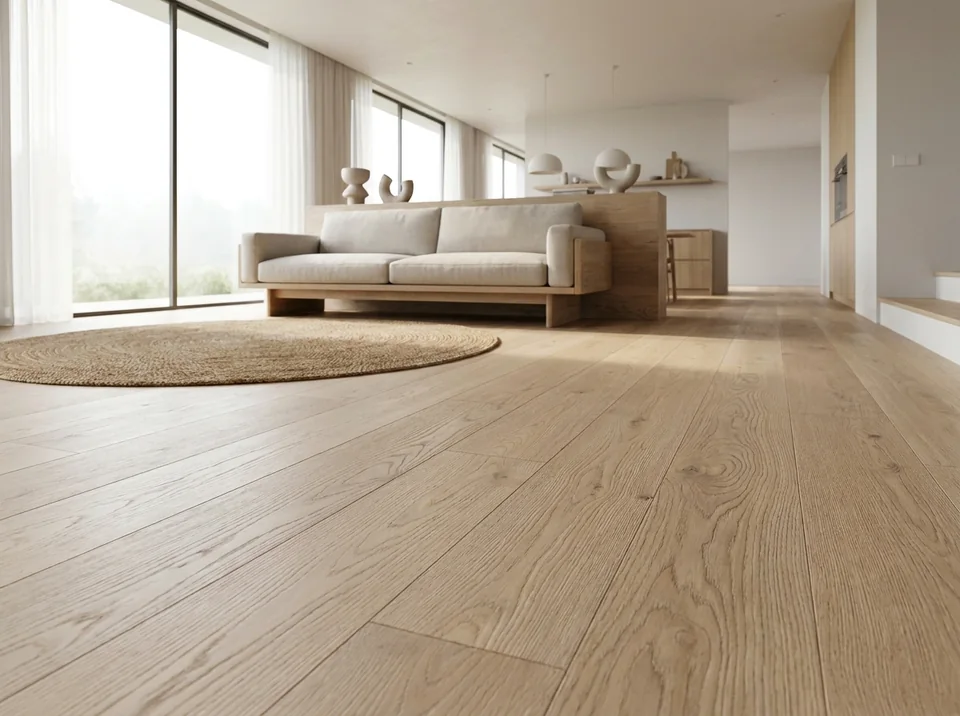
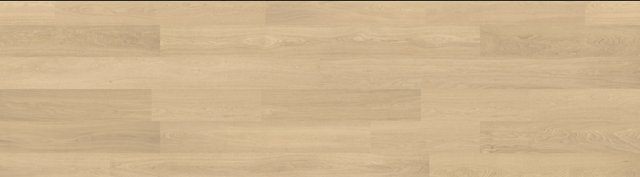
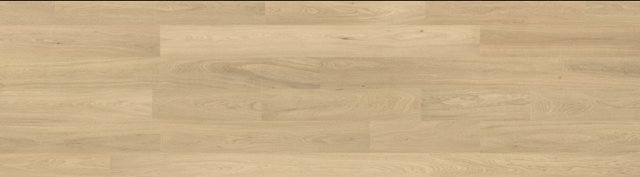
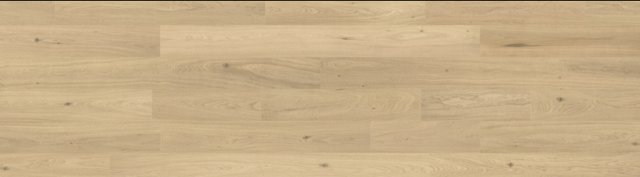
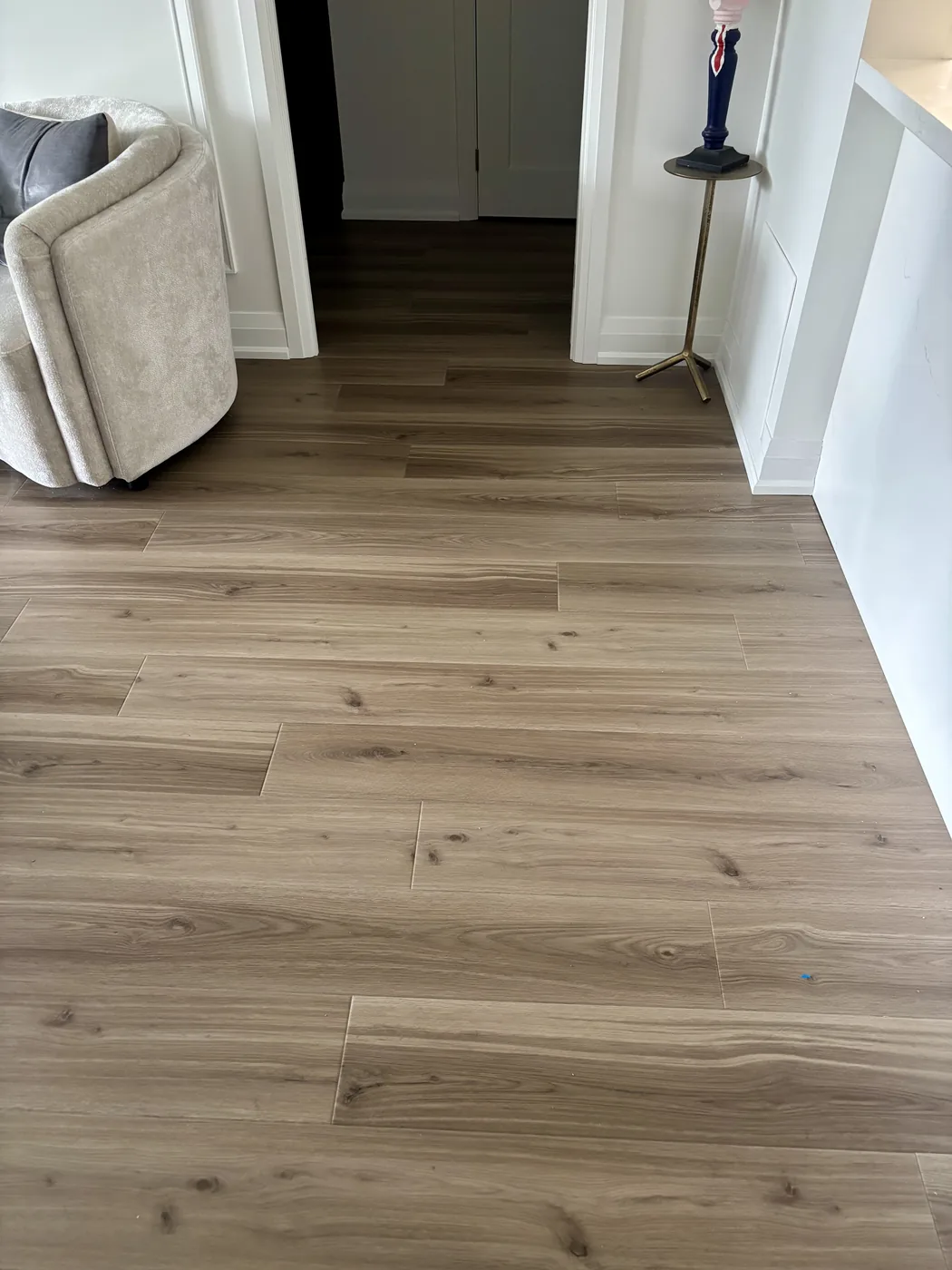
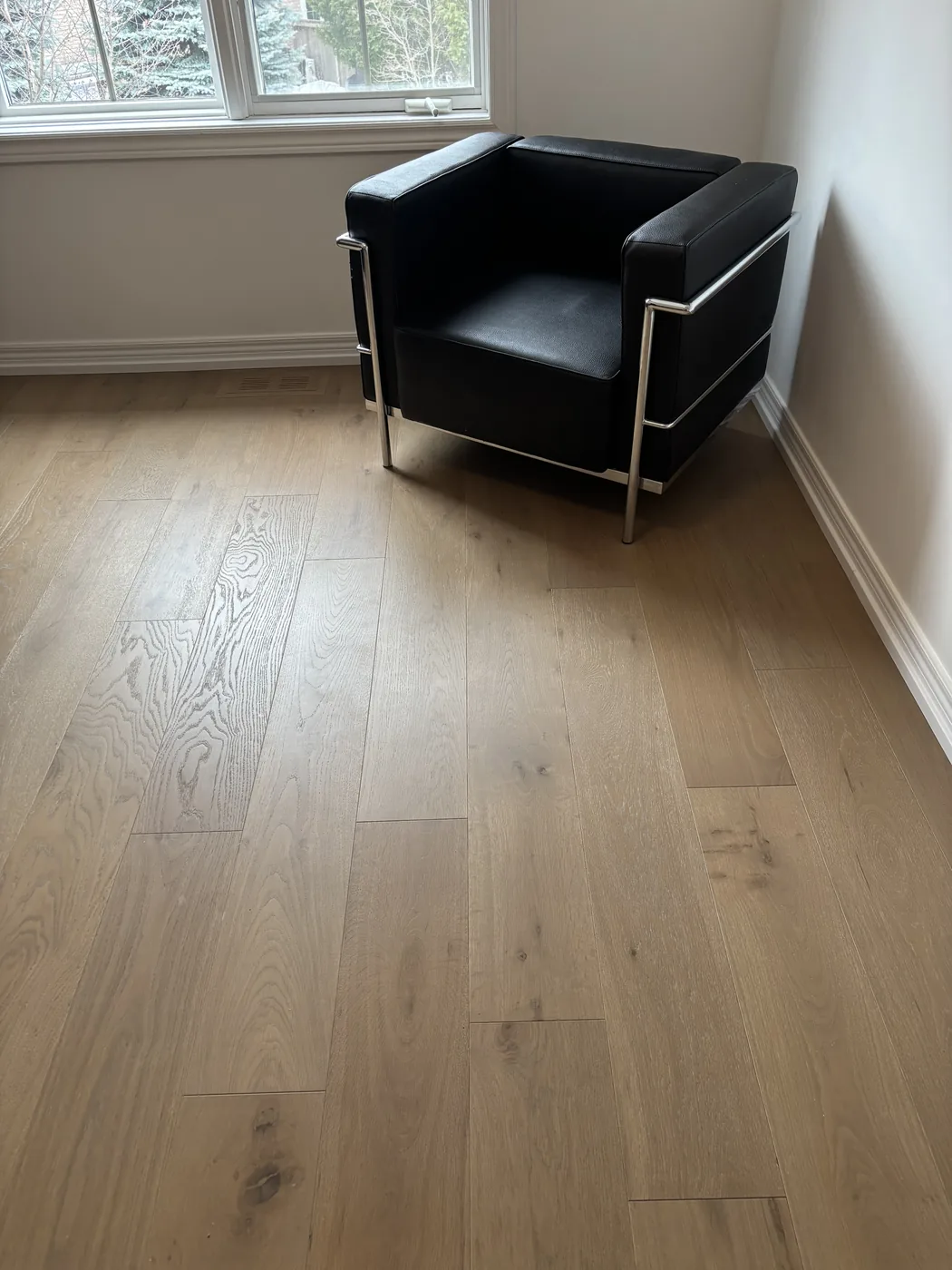
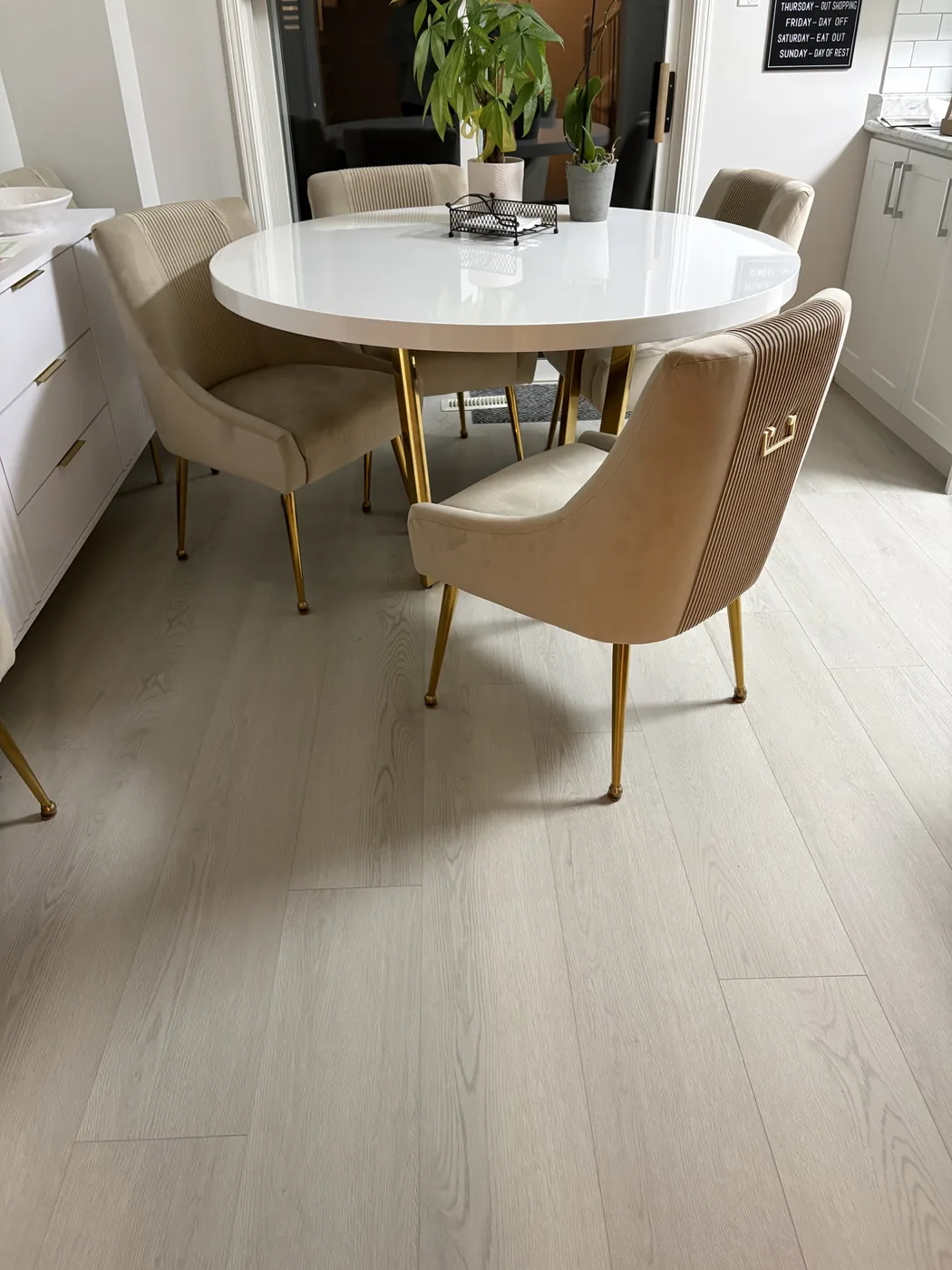
Engineered hardwood flooring offers the best of both worlds: the stability of an engineered product with the natural beauty of real wood. The wider plank is beautiful and makes any room look gorgeous.
There are opposing thoughts in the market on veneer thickness. On the one hand, a thicker veneer can be sanded and refinished, and it is arguably more durable if anything drops on it. Others claim that if you go too thick on the veneer, meaning 4mm or 5mm, it can be more prone to separating in the event of large humidity swings. Most engineered flooring sold today has a veneer of 1mm to 3mm. What to choose will mainly depend on factors like anticipated traffic, and whether you have kids or pets, which can be harder on your floors.
We often speak about how many times you can refinish your flooring, but the reality is that most people only refinish every 10–15 years, as they are built to withstand everyday traffic well.
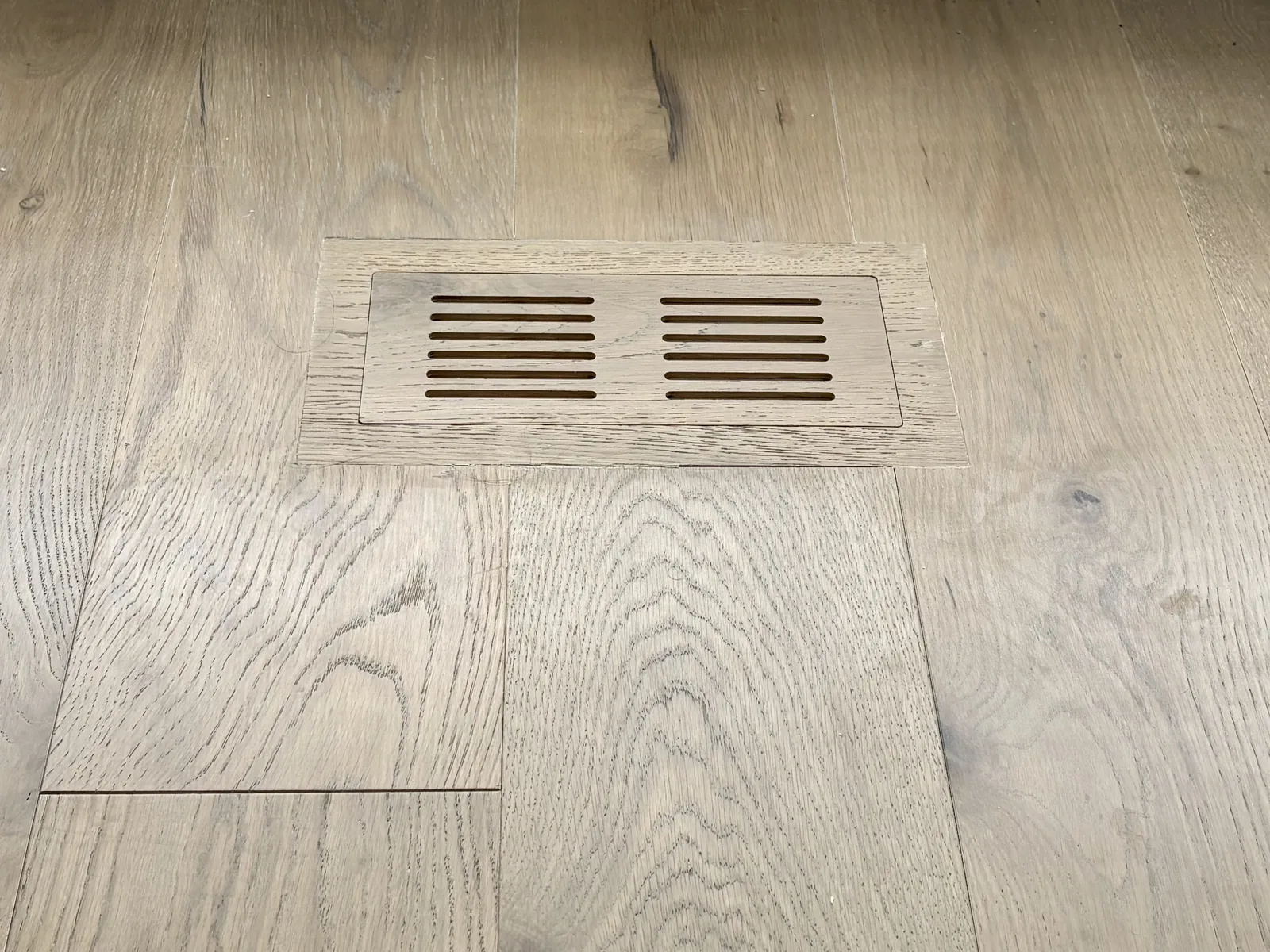
What no one tells you — and this may not matter to you — is that most engineered hardwood floors are either hand scraped or wire brushed. When you sand and refinish your floors years later, they will be smooth. It can still be stained and varnished, but the look will be different in the texture. This is the same for solid hardwood, but solid wood floors tend to start off smooth to begin with.